
Macon
About Macon, Missouri
The story of Macon begins thousands of years ago with Paleo-Indians, followed much later by the Sauk and Fox tribes, who lived here until the 1830s. By the 1820s, pioneers from Kentucky, Virginia, and North Carolina began settling along ancient Native trade routes that crossed the area.
Macon was founded in the 1850s and quickly became a railroad hub. The Hannibal & St. Joseph line and the Northwest Railroad intersected here, fueling the city’s growth and making it a key Union stronghold during the Civil War. Over 7,000 Union troops were stationed in Macon, and in 1863, the county seat moved from nearby Bloomington to Macon, sealing the town’s importance.
Coal soon transformed the economy. Rich deposits attracted Welsh and Italian immigrants in the 1860s, and Macon became one of Missouri’s leading coal-producing regions. Agriculture remained strong too—especially tobacco, grain, and livestock—cementing Macon’s role as a farming and mining community.
The town earned the nickname “City of Maples” after 10,000 maple trees were planted in 1872, and today more than 275,000 still shade its streets.
Two visionary benefactors shaped Macon in the early 20th century. Colonel Frederick Blees, a Prussian immigrant, invested heavily in civic projects: paved streets, sewer systems, hotels, theaters, and the grand Blees Military Academy—later the Still-Hildreth Sanatorium, now Lakeview Towers. Theodore Gary, a St. Louis businessman who built a fortune in the telephone industry, gave Macon its library, hospital, swimming pool, golf course, and the lake that later became part of Long Branch State Park.
Macon’s history also carries hard truths, including racial violence in the late 19th and early 20th centuries, but the community has continued to grow and evolve.
Today, Macon blends its railroad and coal-mining past with a vibrant small-town character. Visitors can explore its historic downtown, enjoy nearby Long Branch State Park and Thomas Hill Lake, and see why this proud “City of Maples” remains a hub for agriculture, history, and community spirit.
Directions
EAT AND DRINK
The Apple Basket Café
215 N Rollins St
Macon, MO 63552
Phone: (660) 395-7015
https://americasbestrestaurants.com/rests/missouri/the-apple-basket-cafe
Cason Liquidation Cafe
212 N Rubey St
Macon, MO 63552
Phone: (660) 395-0055
https://www.facebook.com/p/Cason-Liquidation-LLC-61567229210457/
China Garden
511 E Briggs Dr
Macon, MO 63552
Phone: (660) 385-3333
https://www.chinagardenmacon.com/
Donut Palace
404 N Missouri St
Macon, MO 63552
Phone: (660) 395-5010
http://places.singleplatform.com/the-donut-palace-4/menu
Good Food Good Eats (food truck)
Phone: (660) 349-9344
Karma’s Kafe
2013 N Missouri St.
Macon, MO 63552
Phone: (660) 395-1900
https://www.facebook.com/p/Karmas-Kafe-of-Macon-61560503911749
Koch’s General Store
2015 N Missouri St
Macon, MO 63552
Phone: (660) 385-2121
Lolli’s Dinner Bell Café
704 Main St
Macon, MO 63552
Phone: (660) 395-7015
https://order.online/store/lollis-dinner-bell-cafe-macon-25021625/
Los Jimadores Mexican Restaurant
521 E Briggs Dr
Macon, MO 63552
Phone: (660) 385-3339
https://www.facebook.com/losjimadoresmacon
Macon It 4U (food truck)
1002 S Missouri Street
Macon, MO 63552
Phone: (660) 395-0235
https://www.facebook.com/profile.php?id=100093322372019
Maple City Roasters
112 Vine St
Macon MO 63552
Phone: (660) 346-3053
https://www.facebook.com/maplecityroastersmaconmo
Marshell’s OL’ Business 36 Café
1206 E. Briggs Drive
Macon, MO 63552
Phone: (660) 385-3201
https://www.facebook.com/profile.php?id=100063456671931
Panchitos Mexican Steakhouse
203 N. Rollins Street
Macon, MO 63552
Phone: (660) 395-9993
Website: https://panchitos.froogleorders.com/
Facebook: https://www.facebook.com/PanchitosMexicanSteakhouseLLC
The Pear Tree Kitchen & Bar
1407 N Missouri St
Macon, MO 63552
Phone: (660) 385-1500 or (660) 415-7316 (Reservations)
https://thepeartreerestaurant.com/
Star 63 Family Restaurant
409 N Missouri St
Macon, MO 63552
Phone: (660) 395-2500
https://www.star63familyrestaurant.com/
West Winery
107 Vine St
Macon, MO 63552
Phone: (660) 395-7181
Wooden Nickel
202 N. Rollins Street, Macon, MO 63552
Phone: (660) 395-8539
Website: https://www.facebook.com/people/Wooden-Nickel/100090259895540/
LODGING
America’s Best Value Inn
28933 Sunset Drive
Macon, MO 63552
Phone: (660) 385-2125
Website: www.americasbestvalueinn.com
Comfort Inn
1821 N. Missouri Street
Macon, MO 63552
Phone: (660) 395-8000
Website: https://www.choicehotels.com/missouri/macon/comfort-inn-hotels/mo184
Super 8
203 E. Briggs Road
Macon, MO 63552
Phone: (660) 385-5788
Website: https://www.wyndhamhotels.com/en-ca/super-8/macon-missouri/super-8-macon-mo/overview
Travelier Motel
201 E Briggs Drive
Macon, MO 63552
Phone: (660) 385-2102
Website: https://www.oyorooms.com/us/299096/?utm_source=GMB&utm_medium=Organic&utm_campaign=US_MACO001
Short-Term Rentals
VRBO in Macon County: https://www.vrbo.com/vacation-rentals/usa/missouri/macon-county
Airbnb's in Macon County: https://www.airbnb.com/macon-county-mo/stays
SHOPPING
Another Time
109 Vine Street
Macon, MO 63552
Phone: (660) 651-7582
Another Time is a charming shop in Historic Downtown Macon, offering Mid-Century 1960s-70s era furniture, vintage guitars, vinyl, posters & much more.
C.A. Shoush Company
101 Vine Street
Macon, MO 63552
Phone: (660) 385-4620
Website: https://www.cashoushco.com/
Email: info@cashoushco.com
Facebook: https://www.facebook.com/cashoushcompany
Since 2016, C.A. Shoush Company has been a premier destination for custom apparel in Macon. From a wide array of high-quality custom apparel, bags, hats, blankets, and can coolers, C.A. Shoush Company provides personalized products for all occasions. Every piece is crafted with care and attention to detail, making it the perfect one-stop-shop to bring your unique design ideas to life.
C.A. Shoush Company is open to the public by appointment only; email info@cashoushco.com for store access.You'll also find C.A. Shoush Company at local events with a pop up shop.
DZines by T
113 N. Rollins Street
Macon, MO 63552
Phone: (660) 385-2163
Website: https://www.d-zinesbyt.com/
Facebook: https://www.facebook.com/dzinesbyt
D-Zines by T Flowers & Gifts is a professional local florist proudly serving Macon and the surrounding areas. Our friendly and knowledgeable staff is ready to assist you when you need flowers delivered locally or anywhere in the world. For your convenience, we also offer daily delivery service to local hospitals and funeral homes. D-Zines by T also offers a variety of fun-filled workshops; check Facebook for the most up-to-date information!
Open Monday – Friday, 9 am – 5 pm.
Hays Ten Mile Store
25986 State Highway K
Macon, MO 63552
Phone: (660) 346-9367
Website: https://tenmilestore.com/
Facebook: https://www.facebook.com/HaysTenMileStore
The Ten Mile Store is possibly the most authentic old-time country store in the Midwest, featuring a general store, farm store, farm supply, and antiques. The 1904 structure boasts all original shelving, showcases, and signs.
Open from 10 am – 5 pm every Saturday and by appointment.
King’s Auction
Phone: (660) 346-9367
Website: https://kingsauction.com/
Facebook: https://www.facebook.com/profile.php?id=61566429900953&sk=about
Wade King has been auctioneering since the age of 7. He and his wife, Megan, along with the entire auction team, bring a wealth of knowledge to make one of the best auction companies in the state. Our team’s knowledge in farm, real estate, machinery, antiques, advertising signs (over 1,000 sold in 2024), coins, military, native artifacts, and precious metals is of great value to our sellers.
Check the website and Facebook page for information on live and online sales.
Koch’s General Store
2015 N. Missouri Street
Macon, MO 63552
Phone: (660) 395-4321
Website: https://kochsgeneralstore.com/
Facebook: https://www.facebook.com/Kochsfarmfreshproduce
Koch’s is the friendliest stop of your day! Koch's General Store is all about good food, friendly staff, and local finds. Located just north of the 36 & 63 interchange, our store has plenty of easy parking and a beautiful dining room with seating for small and large groups centered around our fireplace, perfect for group pictures.
Koch’s delights with a deli, bakery, coffee, catering, and custom cakes. Local delivery, take-out, homemade freezer meals, and online ordering make this a one-stop shop. Plus, the general store features a range of local products – bring a piece of Macon County home with you!
Lolli Livestock Market
704 Main Street, Macon, MO 63552
Phone: (660) 385-2516
Website: http://lollibros.com/
Facebook: https://www.facebook.com/lollibroslivestock
Lolli Livestock Market, Inc. is a thriving family-owned live auction company in operation since 1947. While specializing in the sales of Exotic and Domestic Livestock, Award Winning Taxidermy, Collectible Sporting Goods, including firearms and ammo, Lolli Brothers is also host to one of the most successful catalog horse sales in the Midwest, as well as conducting weekly Cattle Sales. We welcome your attendance and/or consignments to any of our Nationally Advertised Auctions. Find the sale schedule on our website and additional details on Facebook.
Macon Dealz
117 Vine Street, Macon, MO 63552
Phone: (660) 346-8434
Facebook: https://www.facebook.com/macon.dealz.2025/
Macon Dealz sells unique, fun, nostalgic items for a bargain. Open Tuesday – Friday from 10 am – 5 pm and Saturday from 11 am – 5 pm.
Macon Quilts & Embroidery
23581 US Highway 63
Macon, MO 63552
Phone: (660) 651-4901
Website: https://maconquiltsembroidery.com/
Facebook: https://www.facebook.com/MaconQuilts
Macon Quilts & Embroidery is a premier shop in Macon, MO, that has been proudly serving northern Missouri since 2016. We specialize in longarm quilting services, offering exquisite designs and precise stitching for all quilt projects. In addition, we provide custom embroidery services, including business embroidery, embroidery digitizing, and bedding embroidery. With our attention to detail and expertise, we make sure every project is a beautiful work of art. Choose Macon Quilts & Embroidery for all your quilting and embroidery necessities!
Open Tuesday – Friday, 9 am – 5 pm and Saturday, 9 am – 12 pm. Holiday hours may vary; please call for details.
Scotty’s Auction Service
28251 US Highway 63 N
Macon, MO 63552
Phone: (573) 356-4405
Website: https://www.scottysauctionservice.com/
Facebook: https://www.facebook.com/scottysauction/
Scotty’s Auction Service has been a trusted name in Missouri auctions for more than 20 years. Based in Macon, owner Scott Kuntz and his experienced team conduct on-site and off-site sales across the region, handling every auction with professionalism and care.
The company specializes in land auctions, farm and heavy machinery sales, antiques, estates, and personal property. Their full-service approach includes research, setup, advertising, clerking, cashiering, and ring work—ensuring a smooth experience for both buyers and sellers. On-site concessions and restrooms are available at all sales. Scotty’s state-of-the-art auction barn offers a comfortable venue for large auctions, while the team is equally equipped to bring their services directly to you.
Visitors are always welcome—experience one of their auctions and be part of the crowd. For more information or upcoming sales, view the website or contact Scotty’s Auction Service.
Wavering’s Ben Franklin
103 N. Rollins Street
Macon, MO 63552
Phone: (660) 385-5751
Website: https://benfranklinshop.com/
Facebook: https://www.facebook.com/waveringsbenfranklin
Ben Franklin is Macon County’s go-to spot for craft supplies, home décor, florals, and unique gifts. With the area’s best selection of fabrics—both bolted and flat fold—you’ll find endless colors, patterns, and styles for any project. The store also offers an impressive variety of floral stems, greenery, wreaths, and garlands for every season, along with gifts ranging from modern to whimsical to classic country.
Owned by Jeff Wavering, Ben Franklin has been a family tradition since 1959, when his parents opened their first store in Quincy, IL. Jeff grew up learning the business, later returning to open the Macon location in 1970 and Monroe City in 1974.
Today, Ben Franklin is a proudly independent shop with a dedicated buying team that curates new, unique, and timeless items. Jeff especially enjoys selecting the store’s beautiful florals and antique-inspired pieces. Whether you’re crafting, decorating, or gift-shopping, Ben Franklin offers something special for every style and occasion.
Open Monday – Saturday, 9 am – 5:30 pm and Sunday, 12 pm – 5 pm.
The Weathervane Antiques & Collectibles
2214 US Highway 63
Macon, MO 63532
Phone: 660-385-2941
Website: http://www.weathervaneantiques.com/
Facebook: https://www.facebook.com/profile.php?id=100057568543516
A must-visit antique mall featuring 25+ quality dealers, open from 10 am – 5 pm, 7 days a week! Closed on Easter, Thanksgiving, and Christmas holidays. Check the Facebook page for updates.
CAMPGROUNDS
Long Branch State Park Campground
28615 Visitor Center Road
Macon, MO 63552
Phone: (660) 773-5229 or (877) 422-6766 for camping reservations
Website: https://mostateparks.com/park/long-branch-state-park
Facebook: https://www.facebook.com/LongBranchStatePark/
THE CAMPGROUND IS CLOSED FOR THE 2026 SEASON FOR MAINTENANCE.
Long Branch State Park offers basic and electric campsites and a special-use camping area. There are also several walk-in basic campsites available. For a little extra space, try one of the park's family campsites. There are five boat-in campsites with fire ring, lantern post and picnic table available. Please contact the park office for more information.
Macon County Park
1302 S. Missouri Street
Macon, MO 63552
Website: https://www.maconcountymo.com/rental-and-camping-rate-information
There are currently 47 sites with full hookups (sewer, water, and electric) with additional sites available for electric and water. Showers are available for campers and our restrooms are open to the public year round. Also, a dump station is located in the campground and is available to use for a small fee.
No reservations are required for camping. Camp sites are on a first come, first serve basis.
Rate Details:
Camping: $20.00 per night
Dump Station: $15.00
OUTDOOR ACTIVITIES
Atlanta/Long Branch Conservation Area
From Macon, take Highway 63 north for 5 miles, then turn onto Route AX and head west for 2 miles.
Phone: (660) 785-2420
The Atlanta/Long Branch Conservation Area, on the eastern side of Long Branch Lake, offers a single-lane boat launch, shady picnic sites, and paved parking with concrete ramps (closed at 10 p.m. except for anglers). Managed by the Missouri Department of Conservation and the U.S. Corps of Engineers, this 4,500-acre area combines the 2,454-acre Long Branch Conservation Area with the adjacent Atlanta Conservation Area. It features gently rolling oak-hickory uplands, mixed hardwood lowlands, wetlands, and oxbow lakes. Visitors can enjoy activities such as hunting, fishing, frogging, hiking, nature study, and photography, while bald eagles and giant Canada geese are commonly seen in the winter.
Long Branch State Park
28615 Visitor Center Road
Macon, MO 63552
Phone: (660) 773-5229 (office) or (660) 773-5132 (marina and store)
Website: https://mostateparks.com/park/long-branch-state-park
Managed by the Missouri Department of Natural Resources and the U.S. Corps of Engineers, this 1,828-acre park includes the Bloomington, Bee Trace, and Macon areas.
The Bloomington Area on the western shore features 83 shaded campsites (closed for construction in 2026) —including accessible sites—boating with a marina and boat rentals, a two-lane launch, a large sand beach with a change house, picnic sites, two reservable shelters with grills, and a 1.1-mile hiking trail along the lake’s shoreline.
Bee Trace Park & Trail
Website: https://www.nwk.usace.army.mil/Locations/District-Lakes/Long-Branch-Lake/Trails-at-Long-Branch/
Located at the special use area off Axtell Road on the north side of Long Branch State Park. Access is from Jupiter Road. Take US-63 North 5.5 miles to Axtell Road, make a left onto Axtell Road, and follow for 2 miles. Turn left onto Jupiter Avenue to the trailhead.
Named for an early honey-harvesting trail, Bee Trace features a 640-acre natural area with a nine-mile hiking and backpacking trail through savannas, prairies, and timber, plus a single-lane boat ramp at the lake’s northern end.
Macon Country Club
901 Noll Drive
Macon, MO 63552
Phone: (660) 591-5390
Email: maconcountryclub.info@gmail.com
Website: https://maconmogolf.com/
Macon Country Club is a scenic 9-hole golf course that also features an 18-hole game with various tee boxes. Our beautifully maintained course is surrounded by natural hills, valleys, and lush trees, providing an exceptional golfing experience.
Still-Hildreth Lake Trail
1402 S. Missouri Street
Macon, MO 63552
(Parking by the fishing pier or Roundhouse)
Discover the beauty of Still Hildreth Lake Park in the heart of Macon. With 41 acres of scenic trails, a peaceful lake, and lush greenery, it’s the perfect spot for walking, running, or hiking. Enjoy the sights and sounds of nature year-round, explore diverse flora and fauna, and soak in the park’s tranquil charm—whether you’re a local or just visiting.
LOCAL EVENTS
- Friday, May 15: Chamber Challenge Golf Tournament
- Friday, July 3, 2026: Independence Day Fireworks
- July 16 - 18, 2026: Show Me Showdown
- July 23 - 26: Old Time Flywheel Reunion
- Saturday, September 5, 2026: Fork and Cork Artisan Festival
- Friday, September 18, 2026: Chamber Challenge Golf Tournament
- Friday, December 4, 2026: Chamber of Commerce Christmas Parade
Check the Macon Area Chamber of Commerce website for additional details, call (660) 385-2811 during business hours (9am - 3pm), or pop in to the office at 102 Vine Street, Macon, MO 63552.
HISTORY AND CULTURE
Macon County Historical Society Museum
1402 S. Missouri Street
Macon, MO 63552
Phone: (660) 651-6814 (information) or (660) 395-0266 (leave a message)
Website: http://www.maconcountyhistoricalsociety.com/our-museum.html
Maples Repertory Theatre
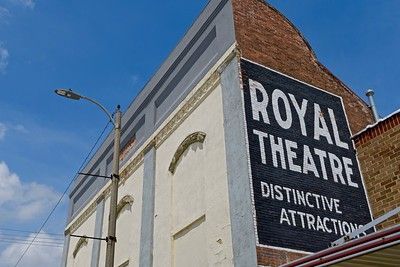
Located in the Royal Theatre in downtown Macon
102 N. Rubey St., Macon, MO 63552
Phone: (660) 385-2924
Website: https://maplesrep.com/
MEETING AND EVENT SPACES
Lakeview Towers
1404 S Missouri Street
Macon, MO 63552
Phone: (660) 385-5781
Comfort Inn & Suites
1821 N. Missouri Street
Macon, MO 63552
Phone: (660) 395-8000
Email: maconcomfortinn@gmail.com
Website: www.choicehotels.com/missouri/macon/comfort-inn-hotels/mo184
Facebook: facebook.com/ComfortInnMacon
Our spacious meeting and event spaces in Macon can be set up for a company banquet or even an awards ceremony. This location boasts a 2,112-square-foot Full Room which can be organized in a reception, theatre, banquet, classroom, U-shape or conference setup. The 800-square-foot Maple Room and 1,312-square-foot Trophy Room are also available for smaller groups. A guest use copy machine is offered for your last-minute business needs, and free WiFi is available to keep guests plugged in.
Emerson Fields
35932 US Highway 63
Excello, MO 65247 (south of Macon)
Phone: (660) 775-2291
Website: www.emersonfields.com
Facebook: facebook.com/EmersonFieldsvenue
A destination wedding venue in the heart of Missouri. Our scenic estate offers endless opportunities for celebration. The spacious and versatile venue options provide you with the perfect backdrop to host a stunning wedding day or a full weekend of festivities!
Floral Hall at Macon County Park
1302 S. Missouri Street
Macon, MO 63552 (Macon County Park)
Phone: (660) 651-6516 (for rental information)
Website: www.maconcountymo.com
Floral Hall is perfect for reunions, birthday and graduation parties, and a variety of other special events. This building was recently renovated with an addition of a covered outdoor area.
Macon County Expo Center
1301-1303 S Missouri Street
Macon, MO 63552
Phone: (660) 651-6516 (for rental information) / (660) 395-0042
Website: www.maconcountymo.com
The Expo Center is a 10,000 square foot building that can be used for wedding receptions, banquets, corporate events and a variety of other special events.
Missouri National Guard
1616 S Missouri Street
Macon, MO 63552
Phone: (660) 385-3408
The Roundhouse
1402 S Missouri Street, Building D, Blees Park
Macon, MO 63552
Phone: (660) 385-6421 (City Clerk's office for reservations)
Located within Blees Park, 1402 S Missouri Street, Building D, the historic Round House was originally a lakeside dance pavilion constructed on the grounds of the Blees Military Academy.
The Round House is open year-round and is available for weddings, family reunions, birthday parties, and meetings. The facility has an indoor bathroom, central heat and air-conditioning, a kitchen style counter with a sink and garbage disposal. There is also a full-size refrigerator and tables and chairs.
Scotty’s Auction Barn
28251 US Highway 63 North
Macon, MO 63552
Phone: (573) 356-4405
Email: scottysauctionservice@gmail.com
Website: www.scottysauctionservice.com
Facebook: facebook.com/p/Scottys-Auction-Service
West Winery Events
107 Vine Street
Macon, MO 63552
Phone: (660) 395-7181
Website: www.westwinery.com
Facebook: facebook.com/westwine
ENTERTAINMENT
Always check with any entertainment venue for operating hours, events and specials!
Island Mini Golf & Batting Cages
29187 Sunset Drive
Macon, MO 63552
Phone: (660) 395-1099
Website: https://www.facebook.com/theislandminigolf
Island Mini Golf & Batting Cages offers a fun, family-friendly outing with a creatively designed miniature golf course and adjoining batting cages. The greens wind through lush landscaping, whimsical obstacles, and scenic features that make mini-golf enjoyable for all ages. After—or before—a round on the putt course, guests can step up to the batting cages for some swinging action.
Macon Bowl
52 South Rollins Street
Macon, MO 63552
Phone: (660) 385-3045
Website: https://www.facebook.com/p/Macon-Bowl-100049674739385/
Macon Bowl offers a vibrant bowling experience for both casual players and league enthusiasts. With multiple leagues, shoe rentals, and private-lane options for parties, it’s a go-to spot for fun, friendly competition or a laid-back evening out.
Macon Cinema
2218 US Hwy 63
Macon, MO 63552
Phone: (660) 385-5550
Website: https://maconcinema.com/
Facebook: https://www.facebook.com/MaconCinema
Bringing Hollywood to the heart of northern Missouri, Macon Cinema offers daily showings of the latest movies in a comfortable, family-friendly setting. Opened in 1996, the modern three-screen theater continues a century-long tradition of moviegoing in Macon—from the days of the historic Valencia and Macon Theatres to today’s digital screenings. Locally owned and community-focused, Macon Cinema remains a favorite spot for entertainment and hometown memories.
Maples Repertory Theatre
102 N. Rubey Street
Macon, MO 63552
Phone: 660-385-2924
Website: https://maplesrep.com/
Facebook: https://www.facebook.com/maplesrep
Located in the historic Royal Theatre in downtown Macon, Maples Repertory Theatre brings professional live theatre to the heart of northern Missouri. Founded in 2004, “Maples Rep” welcomes actors and artists from across the country for a vibrant June–December season featuring mainstage productions, family shows, and special events.
Wilcox Country Opry Barn & Flea Market
1109 South Missouri Street
Macon, MO 63552
Phone: (660) 385-2304
Experience small-town fun at Wilcox Country Opry & Flea Market in Macon, where live country music and local shopping come together. Enjoy toe-tapping performances and explore a variety of unique finds from local vendors—all under one roof.